


Warehouse Health and Safety Regulations: The Long-Term Cost of Getting It Wrong
Warehouse health and safety regulations shape how modern warehouse environments are designed and operated. From warehouse racking safety and pallet rack safety to signage and physical protection, these measures support safer, more consistent operations.
While warehouse safety and warehouse compliance are often linked to audits or HSE warehouse guidance, their real impact is long term. Poorly specified safety systems can lead to rework, downtime, and avoidable operational cost, making early planning critical.
Contents
- 1 Short term savings can create long term costs
- 2 Compliance supports operations, not just regulation
- 3 The hidden impact of retrofitting safety systems
- 4 Joined up safety delivers better outcomes
- 5 Getting it right first time protects long term value
- 6 Supporting compliance through specification, not consultancy
Short term savings can create long term costs
One of the most common challenges in warehouse projects is the pressure to reduce upfront spend. Warehouse safety systems, signage, and protection measures are sometimes viewed as areas where cost can be trimmed without immediate consequence.
In reality, cutting corners on warehouse health and safety often leads to higher costs later. Poorly specified or non-compliant systems may fall short of warehouse safety standards, requiring retrofitting once a warehouse is live, following an audit, operational review, or change in use.
This rework impacts more than budgets. It affects access routes, layout efficiency, picking operations, and overall site productivity. These are costs that are rarely factored into early decisions but are quickly felt once corrective work is required.
Compliance supports operations, not just regulation
Warehouse compliance is sometimes treated as a paperwork exercise. In practice, warehouse health and safety regulations exist to support safer, more consistent operations across active environments.
Correctly specified warehouse safety systems help create clearer layouts, defined pedestrian and vehicle routes, and protected infrastructure. This supports smoother workflows, reduces risk, and helps teams operate with confidence in busy warehouse settings.
For businesses operating under HSE warehouse guidance, compliance also provides clarity when environments change. Warehouses rarely remain static. When safety systems are designed in line with recognised warehouse safety standards, adapting layouts or expanding operations becomes significantly easier and less disruptive.
Retrofitting warehouse safety solutions is one of the clearest examples of how early decisions affect long-term performance.
Adding pallet rack safety measures, such as anti-collapse mesh, warehouse safety signage, physical protection, or partitioning after a warehouse is operational, often requires restricted access, phased installation, and temporary changes to workflows. This creates downtime, slows throughput, and places additional strain on site teams.
In contrast, warehouse safety systems that are planned in line with warehouse health and safety regulations from the outset can be integrated seamlessly into the overall design. This reduces the need for later intervention and supports continuity as operations evolve.
Joined up safety delivers better outcomes
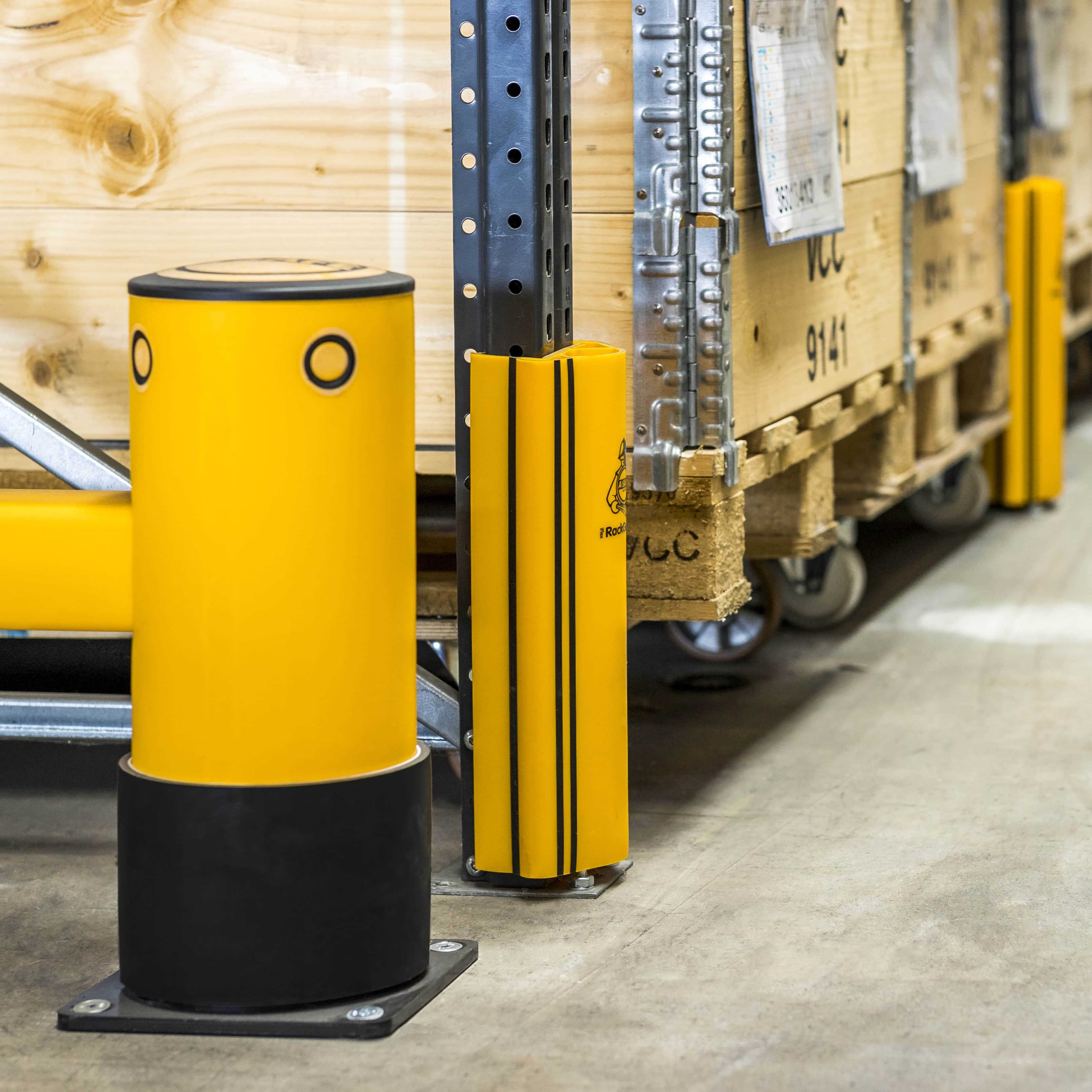
Effective warehouse safety does not rely on individual products in isolation. Warehouse racking safety, partitions, signage, column protection, and bollards all play a role in creating safer environments when specified as part of a joined up safety strategy.
When these elements work together, they support warehouse compliance, protect people and infrastructure, and reduce the likelihood of rework. They also provide flexibility, allowing warehouses to adapt without compromising safety or performance.
This joined up approach is particularly important in complex environments where storage systems, access routes, and operational demands intersect.
Getting it right first time protects long term value
Warehouse health and safety decisions should be viewed as part of long term operational planning. The true cost of getting it wrong is not limited to the price of replacement products. It includes disruption, lost productivity, and the ongoing effort required to manage avoidable safety issues.
By focusing on warehouse health and safety regulations, correct specification, and proven safety warehouse solutions, trade customers can help their clients build environments that are safer, more resilient, and better prepared for change.
Getting warehouse safety right first time is not just a safety decision. It is a commercial one.
Supporting compliance through specification, not consultancy
QTS does not provide compliance or advisory services, and we do not replace the role of auditors, consultants, or regulatory bodies. Responsibility for interpreting and applying warehouse health and safety regulations always sits with the duty holder.
What we do provide is the ability to support compliant outcomes through correct specification and supply.
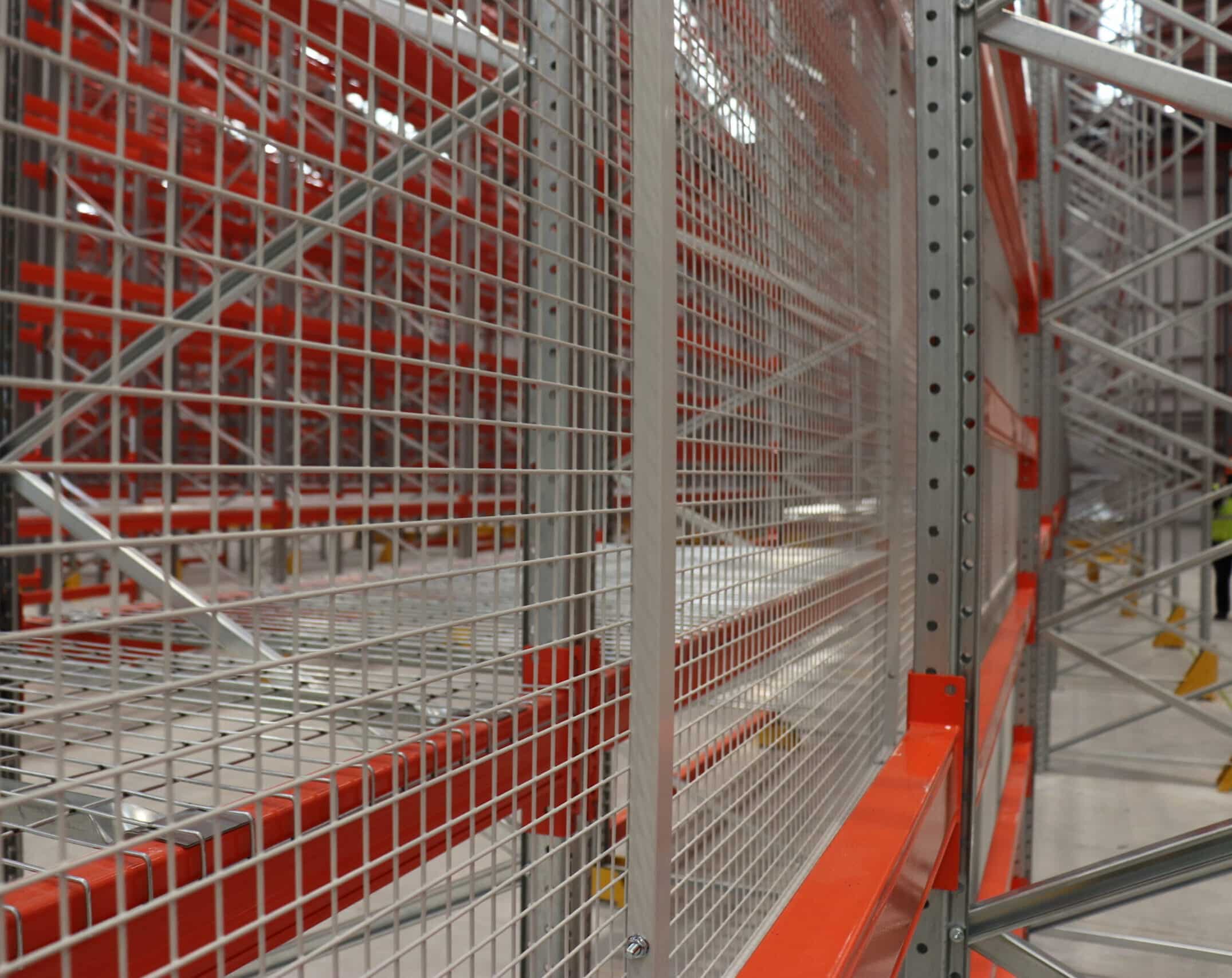
Alongside core warehouse fundamentals such as racking systems, QTS supplies a wide range of safety products including anti-collapse mesh, partitions, signage, and physical protection. When specified correctly and integrated at the design stage, these systems help support safe layouts, protect people and infrastructure, and reduce the likelihood of rework once operations are live.
By working with trade customers early in the project lifecycle, QTS helps ensure safety products are aligned with operational requirements and installed as part of a considered warehouse system, rather than added reactively later on.
Getting it right first time is not about replacing compliance processes. It is about supplying the right systems, at the right stage, to support safer, more resilient warehouse environments.
Share This: