Extend, Repair, Reconfigure: Getting A Site Ready For Warehouse Peak Season
For most of the year, changes on a busy site can be planned around the operation. In the run-up to Christmas, the window shuts quickly. Once warehouse peak season volumes arrive, few operators want an aisle out of action for a day, so the extensions, repairs, and layout changes that have been on the list since summer need to happen in the next few weeks so your customer is set up to handle the expected increase in demand.
Almost every one of those projects usually involves one or more of these three things: extending the site, repairing it, or reconfiguring it. The racking side usually gets planned carefully. What gets missed is everything that has to change with it, and signage is top of that list. Here’s what each project type involves, the products involved, and what to check before your customer’s site is ready for peak season.
Warehouse Reconfiguration: When The Layout Changes, So Does Everything Else
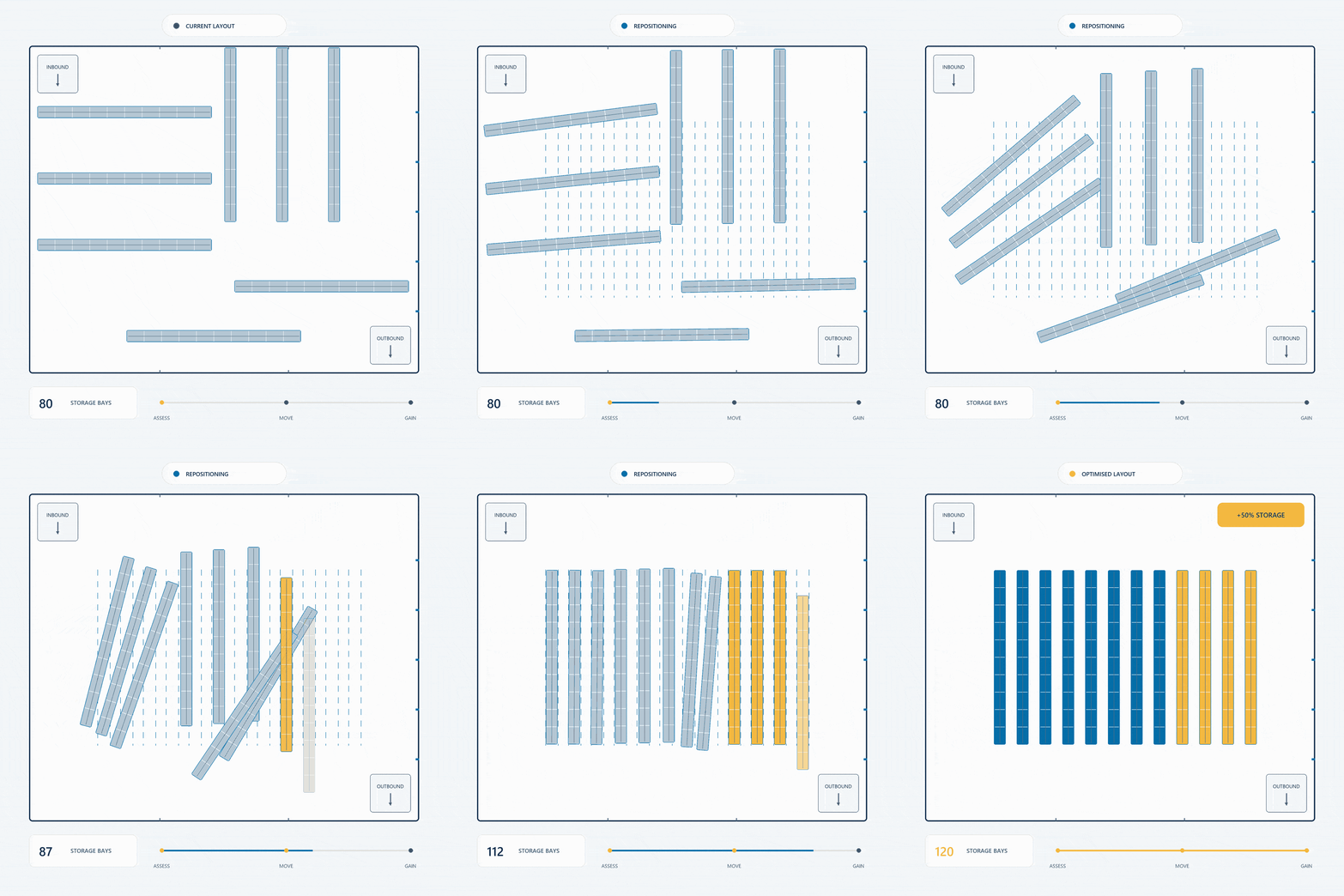
Most reconfigurations before a peak season come down to one of two goals: getting more storage out of the same footprint, or making the site run more efficiently. That could mean adding beam levels or reworking aisles to create more pallet locations, or moving fast-moving lines closer to dispatch and setting up a dedicated pick area. Either way, the new layout rarely comes together with only what’s already on site.
Whether you’ve planned the new layout with your customer or you’re delivering a plan they’ve already made, it usually reaches well beyond the racking:
- New racking: additional adjustable pallet racking, a different racking type better suited to the space, or extra beam levels on existing runs to get more pallet locations from the same building.
- Mesh decks: replacement easySHELF™ mesh decks where beam levels have moved, with bespoke sizes made where standard decks don’t fit the altered bays.
- Pick areas: long span shelving and easyDIVIDER™ dividers for a dedicated pick area, so fast-moving lines are easier to reach.
- Cages and partitions: storGUARD™ to re-zone areas, separate operations or create secure storage. The storGUARD™ configurator on Quote to Site® lets you draw out the cage or partition layout and get a quote straight away.
- Safety: pedestrian barriers and column protection that follow the new walkways and traffic routes.
- Signage: directional markers, aisle markers and safety signs for the new routes, location labels for the new pick faces, and updated load notices wherever beam levels have moved.
Sourcing all of that from one supplier means the whole reconfiguration can be quoted together and delivered to the project schedule.
Extending A Site Before Peak: More Than Extra Bays
An extension adds to what’s already there, so the challenge is different. It’s about adding pallet or pick locations for the volume that’s coming, and making sure the new bays match the ones beside them.
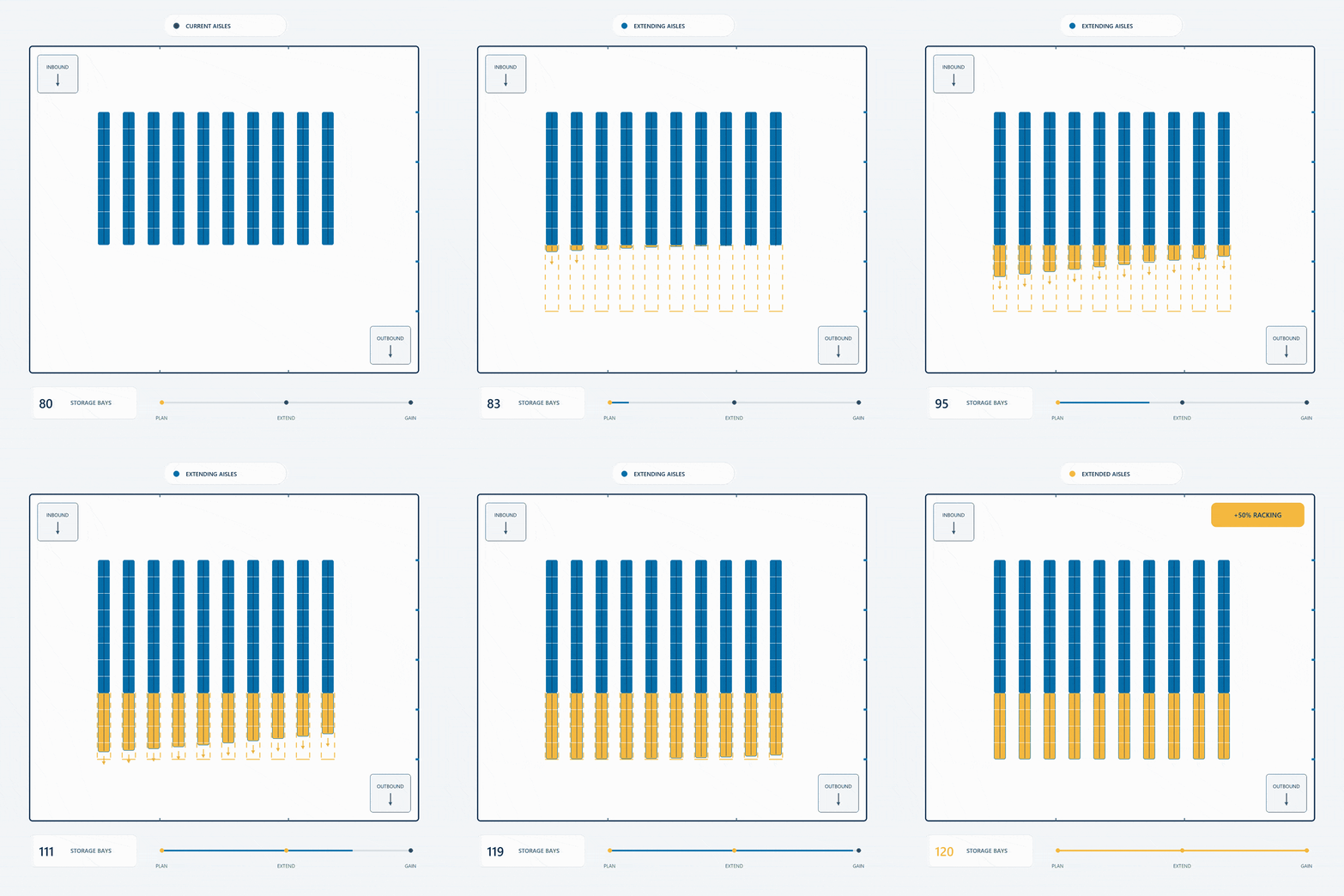
On a typical racking extension, that means:
- Racking and shelving: bays that match the existing system, plus the components to tie them into existing runs.
- Mesh decks: easySHELF™ in the new bays if the existing ones are decked, so the run is consistent from end to end.
- Anti-collapse mesh: rackGUARDIAN™ on the back of the new bays where the run backs onto a walkway. The rackGUARDIAN™ configurator on Quote to Site® takes the racking dimensions and produces the full set of panels needed, with a quote.
- Racking protection: end-of-aisle protectors and upright protectors on any new aisle ends, where forklift traffic will hit first.
The part that’s often missed is the signage. New bays need load notices before they’re loaded. A new aisle needs an aisle marker, and new locations need labels; otherwise, the warehouse management system has locations that nobody on the floor can find.
Pallet Racking Repairs That Can’t Wait Until January
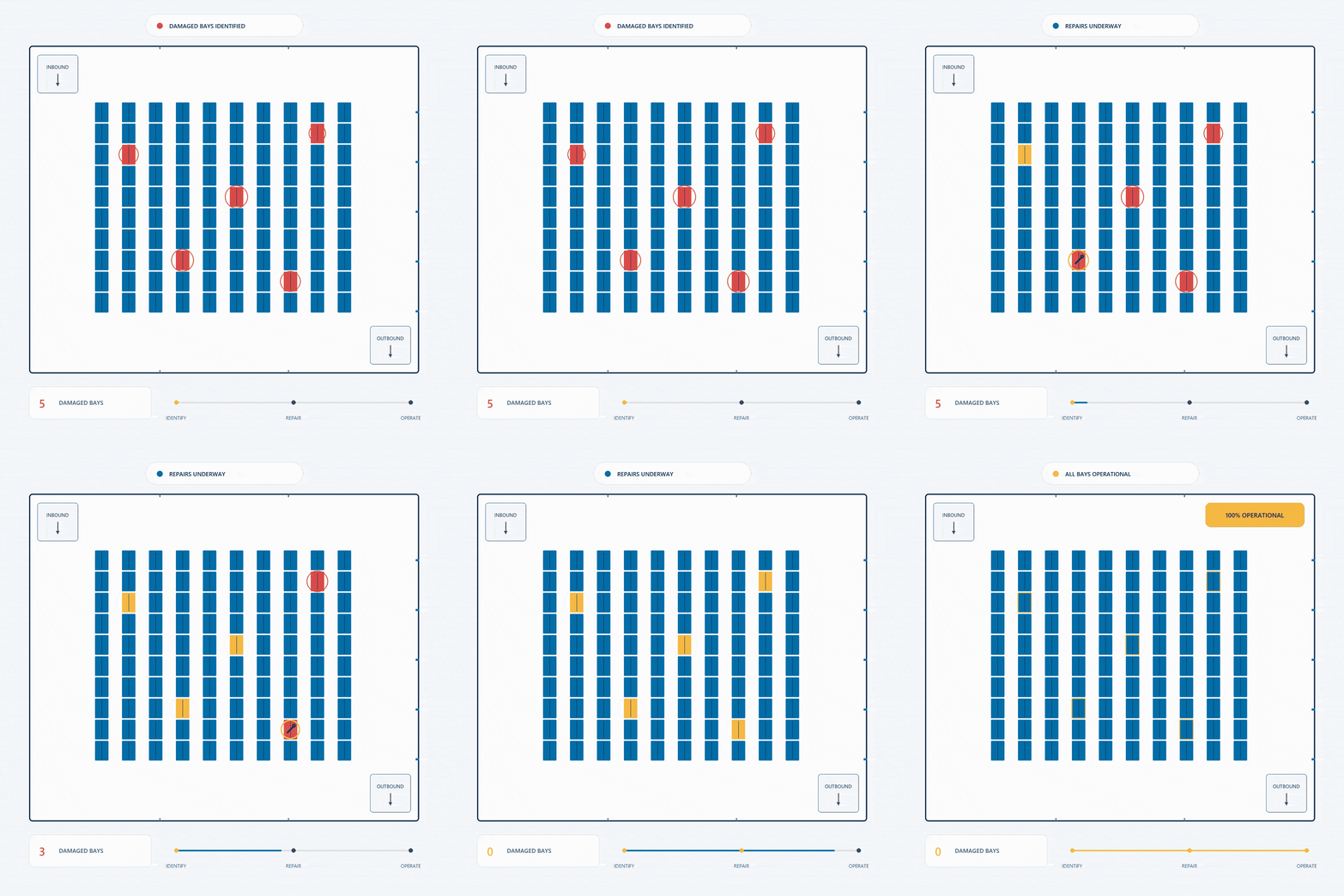
Damage that’s reported and left often becomes a bigger problem in December, when the site is busiest and the racking is fullest. Pallet racking repairs before peak come down to two things: replacing what’s damaged, and stopping the same damage from happening again.
SEMA recommends an expert racking inspection at least once a year, alongside regular in-house checks. If your customer’s last inspection flagged damaged components, now is the time to clear that list. Repairs usually involve:
- Replacement racking components and spares, matched to the existing system
- Replacement mesh decks where panels have been bent or damaged by pallets
- rackGUARDIAN™ spares and fixings for panels that have taken a knock
- Protection added where impact damage keeps recurring, from upright protectors and rack deflectors through to barriers from our full safety range, including A-Safe polymer barriers at the premium end
Repairs should also cover signs. A load notice that’s been torn, faded or knocked off a bay is as much a repair item as a bent beam, because the people loading that bay rely on it. Worn safety signs and damaged aisle markers belong on the same list.
Warehouse Signage Checklist After Any Change
For any project, check the signage before handing the site back. Use this as a quick reference:
Change On Site |
Signage To Check |
|---|---|
| Beam levels moved | Load notices showing the new safe working load per level, location labels |
| Re-zoning or new walkways | Directional markers, safety signs, aisle markers |
| New secure or partitioned areas | Safety signs, location labels |
| New bays or aisles added | Load notices, aisle markers, location labels |
| Repairs after impact damage | Damaged or faded load notices, safety signs, aisle markers |
We print signage in-house, so you can order load notices, aisle markers, labels, and safety signs alongside the racking, mesh, and protection for the same project.
One Supplier For Every Change Before Warehouse Peak Season
With strict time constraints before warehouse peak season, chasing quotes from four or five suppliers takes time your customer doesn’t have. QTS supplies every part of a reconfiguration, extension or repair: racking and shelving, mesh decks, anti-collapse mesh, cages and partitions, the full safety range and signage.
For you, that means:
- One quote to wait for, not several
- Deliveries coordinated to the project schedule
- Specification changes handled by one supplier, not passed between several
- Short lead times on common products from QS Hub stock
Many products can be quoted and ordered on Quote to Site® straight away, with more being added all the time. Configurators for rackGUARDIAN™ and storGUARD™ take you from dimensions to a quote, and technical drawings and installation guides are available for the products you order.
Frequently Asked Questions
Do Automated Warehouses Still Need Safety Barriers?
Yes. Most automated sites still have people on the floor, and many run manual forklifts alongside automated equipment. Barriers protect racking, columns and walkways from impact and guide pedestrians away from automated routes. They work alongside the vehicle’s own safety systems rather than replacing them.
Does Changing Beam Heights Affect Racking Capacity?
It can. According to SEMA, the height between beams and the height of the first beam above the floor are crucial to the carrying capacity of the rack. Any change to beam levels should be checked against the racking manufacturer’s information before the bays are loaded, and the load notices updated to match.
How Often Should Pallet Racking Be Inspected?
SEMA recommends an expert inspection by a qualified racking inspector at least once a year, supported by regular in-house inspections and daily staff checks. Before peak, make sure any damage flagged at the last inspection has been repaired.
Get Your Customers’ Sites Ready For Peak
Whether your customer needs a site reconfigured, extended or repaired before Christmas, every product the project needs, from the racking to the last aisle marker, can come from one supplier.
Share This: